

Why Door Hinge Replacement Is Essential For a Secure Conservatory
Hinges are crucial for a secure, strong door that is able to function efficiently to minimize the risk of draughts. But they also require regular maintenance and adjustments to work smoothly throughout the years.
The majority of uPVC door frames are fitted with flag hinges. One is attached to the edge or profile of the door sash and the other is attached to the frame. These can be adjusted laterally as well as vertically to accommodate the movement of the door sash.
Locks with a problem
The locks on your conservatory are an essential part of keeping your home secure If you discover that they're not working properly it is crucial to get this fixed immediately. Your locks may not be working correctly due to many reasons. Some of them are fixable by yourself while others require the help of a professional.
One of the most common reasons for a malfunctioning lock is that the door and latch are not aligned properly. This can happen over time if the hinges are loose or were not screwed in sufficiently in the initial place. To fix this, tightening your hinges is a quick fix. However, it's essential to do this slowly to avoid damaging your door or hinges.
A frequent issue is that the lock has simply stopped functioning. This can be due to a variety of different reasons, including the key snapping inside the lock or parts of the mechanism breaking inside. Locksmiths will have to replace the components if this is the situation.
The lock could also cease to function if it gets stuck in the locked position. This can be caused by a variety of reasons, such as dirt or grime accumulating in the keyhole or in the lock. A quick wipe with a damp towel will take away any accumulation and allow the locks to work properly.
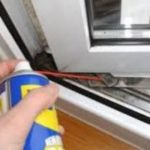
It is also important to ensure that the keyhole isn't blocked with objects or furniture, as this could be difficult to see. If the keyhole appears be clear, you could use a small amount of graphite lubricant in order to make it move more fluidly. This is a great alternative to oil or grease as they can cause the lock overheat and then break down. The use of graphite powder is the ideal method to maintain your door because it is less harsh on the door frame than other fluids.
Hinges that are damaged
As time passes your hinges for doors could become damaged and begin to fail. It is crucial to fix your door hinges before they are too damaged, whether that's caused by an impact or age.
If your conservatory door handle is starting to turn when you open or close the door, it could indicate that one hinge is broken. Although some suggest that you lubricate the hinge using oil or graphite, it's not always a long-term solution. Try replacing the screws holding the hinge in place with larger stronger, more durable screws.
Flag hinges are the most popular uPVC door hinges that are u-channels. This type of hinge attaches to the sash of the door and frame to provide security and stability, and has also been suitable for heavy loads. They're available in a variety of sizes and finishes and can be fixed easily.
Alternately, you can choose to utilize a butt hinge. These are specifically designed to be used on timber doors and are able to support a maximum 50kg sash weight for each hinge. They're available in a variety of finishes and can be easily welded to your uPVC door.
In certain cases, the hinges on your conservatory door could be damaged due to an impacts or aging. In this instance you'll have to replace your hinges before they break completely. This is a simple job that requires just an screwdriver, some other tools and a screwdriver.
It's important to determine the kind of hinge you require before purchasing any replacements. To ensure that the hinge is of the right size, you'll need to measure the distance between two pins. It's also worth considering the total weight of your sash and the number of hinges required to support it.
It's also worth checking that your screws are of the proper length. They should be a minimum of three inches long when using external hinges, so that they're able to grasp the frame of the door and jamb properly. They won't be able to secure the hinge and could potentially pull the door or window through.
Leaky Seals
All doors, no matter if they are made of wood, uPVC or aluminum, should be properly sealed. Water can leak into the conservatory and cause costly damage to the structure and any furniture. To prevent this, it's important to regularly inspect the doorframe, seals and weatherstripping for signs of wear and wear and tear. It's also crucial to look at the ground that leads to the door, as well as the condition of the roof and any trees or shrubs which might affect drainage patterns.
Several factors can contribute to leaky conservatory doors, such as structural issues such as shifting foundations or soil settlement. This can cause an uneven alignment of the door and frame. Air or water can then leak through. A professional should be sought out to evaluate the issue and make any necessary repairs to stop leaks.
In addition to examining the state of the seals and weatherstripping, it's a good idea to inspect connections and hinges for indications of wear or damage. These parts are particularly prone to condensation and water due to the fact that they interact and move frequently. Cleaning and lubricating these parts will help to prevent them from becoming damaged or worn down over time.
Leaks aren't just a concern for the structure of your conservatory; they can also cause high heating costs in winter and scorching temperatures in summer. Damp and mold can damage fabric and cause health problems. If you spot an unclean conservatory, you must have the door repaired promptly to avoid further damage and protect your belongings and family members.
A reputable locksmith who specializes in door repair will help you keep your conservatory secure and safe by repairing hinges, locks and even glass panes. It's worth your time to find a locksmith who has a reputation for doing great work, and talking with previous customers to get a sense of their experiences. In the end you'll save money by having your conservatory fixed sooner rather than later. You'll also be in peace of mind knowing that your home is secure from intruders.
Poor Security
Many homeowners think that conservatories are a security risk and can make it easier for burglars to break into their homes. It is possible to enhance the security of your conservatory by making few simple modifications, such as locking the doors. The most common way to secure the security of a uPVC door is to install a multi-point lock. These locks have multiple points that activate simultaneously when someone attempts to open them. These locks are able to stand up to much more rigorous attacks than single-point locks.
Installing a high-security handle is another way to protect your conservatory. These handles are designed to be compatible with a new multi-point locking systems and are certified TS007 to protect against forced entry. They can also be installed with CCTV to monitor the area and provide real-time surveillance of the conservatory which makes it less attractive to potential intruders.
Lack of lubrication, or an uneven pressure distribution on the frame and door are the most common causes of noisy hinges. replacement wooden conservatory doors repairmywindowsanddoors.co.uk , squeaks can be avoided by spraying the hinges with hairspray, which contains polymers that form an outer layer of protection over the surface and reduce friction. Other causes of squeaky door hinges include loose screws and changes in humidity. Wood expands and contracts according to changes in humidity. This can cause the door to move and produce squeaking sounds.
Finally the uPVC door might not be properly fitted. It could need to adjusted. It is possible that the screws holding the hinges in position are loose and need tightening. It's a good idea employ a fixing jig while making adjustments to the hinges so they are in the right position and will remain tight. You can also try using a screwdriver in order to adjust the screws that control the vertical and lateral movement. The screw at top of a hinge is typically used to adjust the lateral position. The screw at bottom is used for compression.